What Does 925 Mean on Jewellery?
If you have ever turned a silver piece over and seen "925" stamped on it, here is exactly what it means — and why it is the number you should always look for when buying silver jewellery.

925 means the piece is made of sterling silver — an alloy that is 92.5% pure silver and 7.5% other metals, usually copper. That is it. The number is a purity mark, and it is the most important stamp to look for when buying silver jewellery.
Why Is Silver Mixed With Other Metals?
Pure silver — 999 fine silver — is too soft to hold its shape as jewellery. It bends, scratches, and deforms easily under everyday wear. Adding a small amount of copper hardens the metal without meaningfully changing its appearance, colour, or value. The result is sterling silver: durable enough for daily wear, pure enough to retain everything that makes silver desirable.
The 92.5 / 7.5 ratio has been the standard for sterling silver for centuries. It is the sweet spot between workability and purity that silversmiths arrived at long before it became a regulated standard.
What the 925 Stamp Actually Tells You
When you see 925 stamped on a piece, it tells you three things:
- The silver content is 92.5% — genuine sterling silver, not a silver-coloured alloy
- The piece meets an internationally recognised purity standard
- The jeweller is declaring the metal content and standing behind it
In India, the Bureau of Indian Standards (BIS) operates a hallmarking system for silver. A BIS hallmark on a 925 piece is an independent third-party verification of the purity claim — the most reliable assurance a buyer can have. When purchasing silver jewellery of any significance, always look for the 925 stamp, and look for BIS hallmarking where available.
If a piece is described as silver but carries no 925 stamp, you have no way of knowing what it is actually made of.
925 Silver vs Other Markings
| Stamp | What it means | Purity |
|---|---|---|
| 999 | Fine silver — nearly pure, very soft | 99.9% silver |
| 925 | Sterling silver — the jewellery standard | 92.5% silver |
| 900 | Coin silver — used historically in some regions | 90% silver |
| 800 | European silver — lower purity, more common in older pieces | 80% silver |
| No stamp | Unknown — may be silver-plated or a base metal alloy | Unverified |
For jewellery, 925 is the standard you want. Fine silver (999) is used in investment bullion and some specialised applications but is impractical for most wearable pieces.
Why Rangtarini Uses 925 Silver
Every Rangtarini piece is made on a 92.5 sterling silver base. For our gold-plated jewellery, this means the gold bonds more durably to silver than it would to brass, the piece will not cause skin discolouration as the plating wears, and the base metal itself retains lasting value. For our unplated silver pieces, 925 means the piece carries a genuine, verifiable silver content that you can pass down. Explore our sterling silver collection →
Frequently Asked Questions
Is 925 silver real silver?
Yes. 925 sterling silver is genuine silver — 92.5% pure. It is the internationally recognised standard for silver jewellery and the same material used in hallmarked silver sold by jewellers worldwide.
Does 925 silver tarnish?
It can, yes. Tarnishing is caused by the copper in the alloy reacting with sulphur compounds in the air. It is not damage — it is a natural surface reaction that can be cleaned off with a soft cloth or silver polishing cloth. Regular wear and proper storage significantly slow tarnishing.
Is 925 silver good for sensitive skin?
Generally yes. Sterling silver is well-tolerated by most people. If you have a known copper sensitivity, some reaction is possible since the alloy contains approximately 7.5% copper — but this is uncommon. It is far less reactive than brass or plated base metals with unknown alloy compositions.
What is the difference between 925 silver and silver-plated jewellery?
925 silver means the entire piece is sterling silver throughout. Silver-plated means a thin layer of silver has been applied over a base metal — usually brass or copper. A silver-plated piece may look identical but contains only a surface layer of silver, carries no silver value, and will wear through with use. The 925 stamp confirms solid sterling silver, not a coating.
How do I know if my jewellery is real 925 silver?
Look for the stamp — 925, S925, or SS — usually on the inside of a ring band, the clasp of a necklace or bracelet, or the post of an earring. In India, a BIS hallmark alongside the 925 mark is the highest level of assurance. If there is no stamp at all, the piece's metal content is unverified.
The 925 stamp is small, but it tells you everything you need to know about what a piece is actually made of. It is the mark of a jeweller who is being transparent about their materials — and the minimum you should accept when buying silver. Browse Rangtarini's 925 sterling silver jewellery →
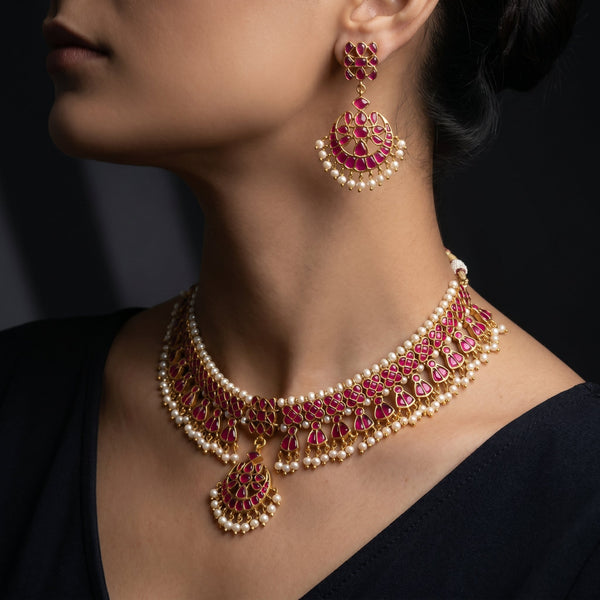 festive jewellery
Navratri 2026 Jewellery by Colour Day — What to Wear for All 9 Nights
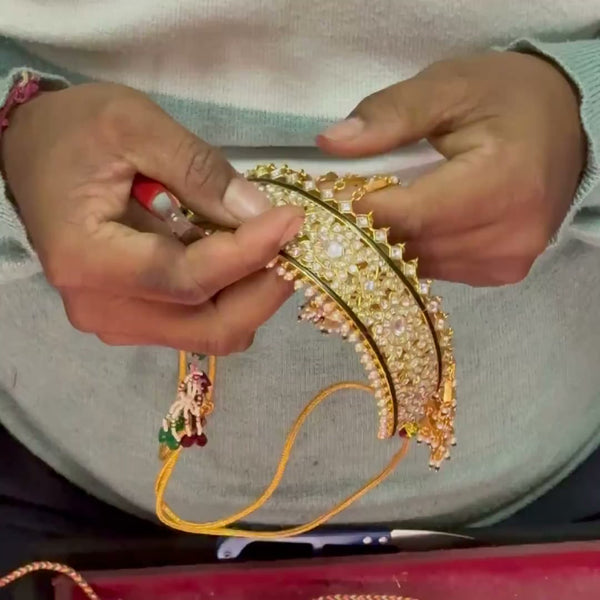 artisan jewellery
Why Handcrafted Jewellery Costs More — Understanding Making Charges
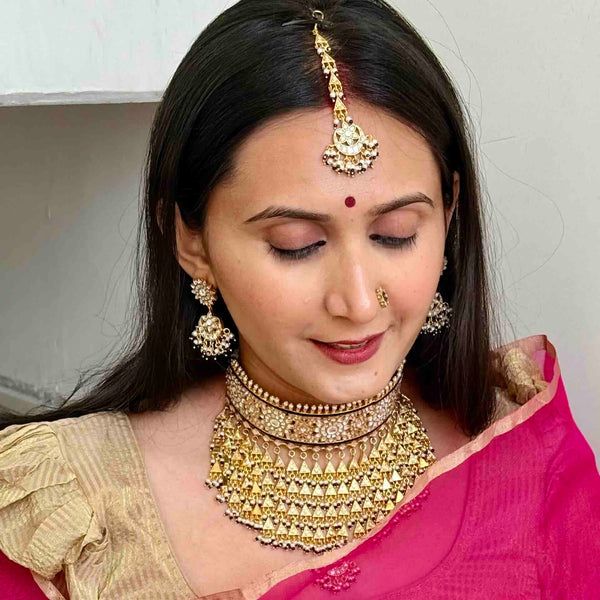 gold plated jewellery